Non-Surgical Gum Disease Treatment in Westbury, NY
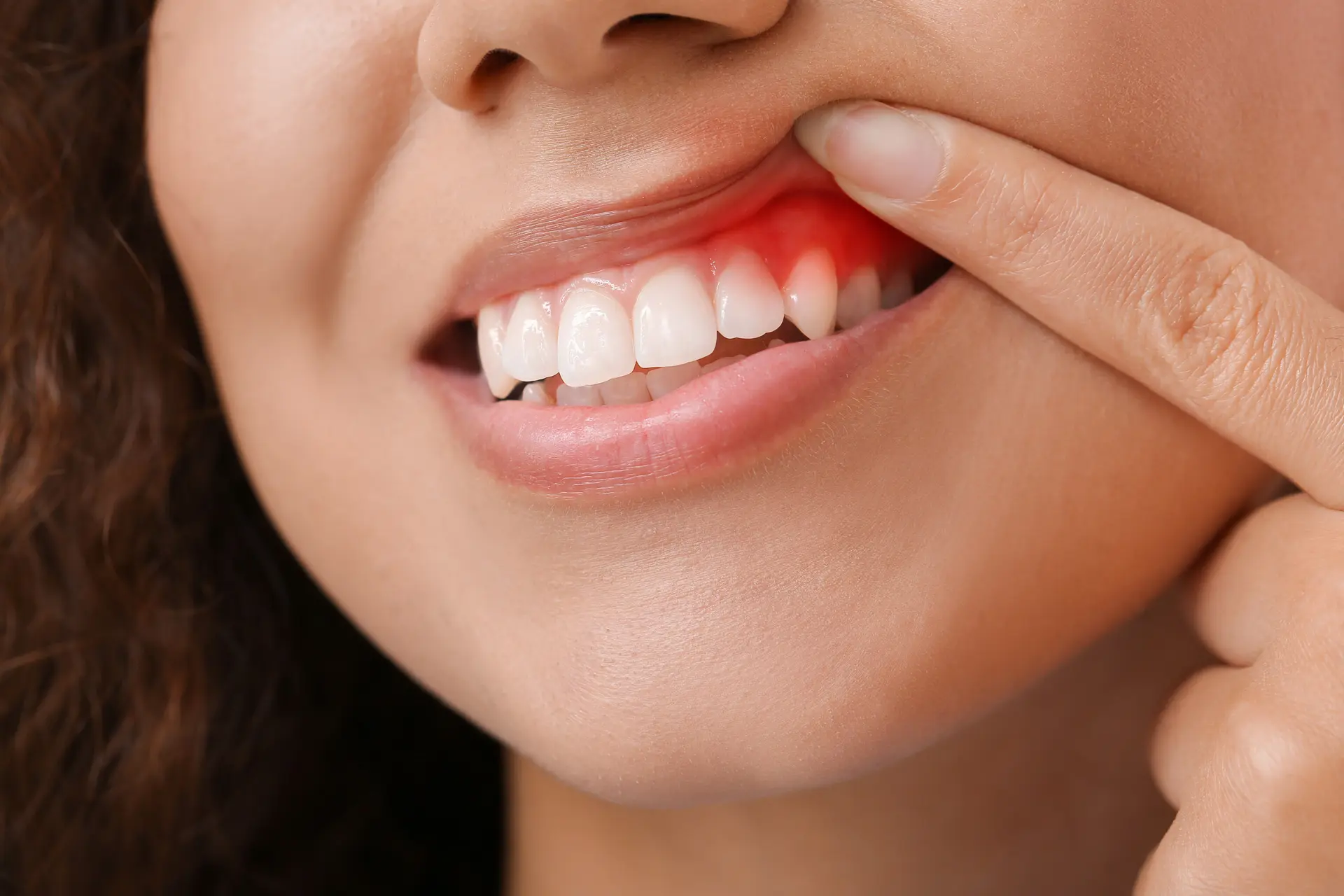
Smallberg & Satornino, DDS, PLLC cares about your overall oral wellness, including your gum health. We strongly emphasize practicing proper oral hygiene and scheduling routine dental examinations to prevent and treat gum disease. However, we offer non-surgical gum disease treatment in Westbury, NY, if you have gum health problems.
What is Gum Disease?
The gums, ligaments, and bones around the teeth form the foundation for one’s teeth. All structures are also referred to as the periodontium. When the periodontium is unhealthy, it puts the teeth at risk, much like a weak foundation threatens the stability of a house.
You may have gum disease (unhealthy periodontium) without realizing it because symptoms don’t usually show until the disease progresses. These symptoms may include red and bleeding gums, persistent bad breath, gums pulled away from the tooth, loose teeth, and changes in the position or bite of the teeth. Any of these signs could mean something is wrong.
If you have any of the following symptoms, make an appointment at Smallberg & Satornino, DDS, PLLC, as soon as possible.
What Are Non-surgical Treatments?
The right care can help your gums heal and return to good health. This is where appropriate gum treatments come in. If you’re having a problem, come see us so we can treat it immediately with our non-surgical periodontal therapy in Westbury, NY. The treatment usually involves deep cleaning or root planing under local anesthetic and antibiotic agents.
Scaling and root planing, sometimes called deep cleaning, is the most popular non-surgical gum disease treatment. It involves cleaning the tooth’s root surface underneath the gum line of plaque and tartar. Then, the root surface is smoothed. Denying bacteria a rough surface to attach to can prevent infections.
The tray delivery system is another non-surgical gum therapy in which you take home custom trays that fit your teeth perfectly. An antibacterial solution is placed in the trays, which you will wear like mouthguards, so the medication can be delivered directly to your gums.
If gum disease becomes too severe, it may need to be treated through surgery or extraction. This is why treating it at the first sign of a problem is important. If your gum condition is too severe for non-surgical intervention alone, Dr. Smallberg or Dr. Satornino will work with the region’s best periodontists to coordinate your care.
Restore Your Gum Health Without Surgery
Gum health is important to your oral and overall well-being. If you have been experiencing any symptoms of gum problems, see us at Smallberg & Satornino, DDS, PLLC immediately. Our non-surgical periodontal therapy in Westbury, NY, will help treat your gum disease, prevent the spread of infection, and restore your excellent oral health condition.
Do you have any problems with your teeth? Smallberg & Satornino, DDS, PLLC can help you regain your healthy, confident smile. Contact us today for personalized dental care to enhance your oral health and aesthetic appeal.
Frequently Asked Questions about Gum Disease Treatment
Is gum disease reversible, or can it only be managed?
It depends on the stage. Gingivitis, the earliest form, is usually reversible with professional cleaning and good home care. Once it advances to periodontitis, the damage to bone and tissue can’t be undone, but it can be controlled and stopped from worsening with treatment and maintenance. That’s why treating it early matters so much. Learn how routine cleanings help on our dental cleanings page.
Does scaling and root planing hurt?
Not usually, the area is numbed with local anesthetic first, so you should feel pressure but not pain during treatment. Some tenderness or sensitivity for a few days afterward is normal and eases quickly. If you’re anxious, the office offers nitrous oxide to help you relax. Let the team know your concerns beforehand. Read about calming options on our nitrous oxide sedation page.
What causes gum disease in the first place?
Gum disease starts when plaque, a sticky film of bacteria, builds up along and below the gumline and hardens into tartar, irritating the gums. Poor brushing and flossing is the main driver, but smoking, diabetes, certain medications, hormonal changes, and genetics all raise the risk. Regular cleanings remove the buildup daily care can’t. Learn how professional cleanings help on our dental cleanings page.
Can gum disease affect the rest of my health?
Yes. Research links advanced gum disease to broader health concerns, including heart disease, stroke, and difficulty controlling diabetes, because chronic oral inflammation and bacteria can affect the whole body. Treating gum disease protects more than your smile. This connection is a key reason not to ignore bleeding or receding gums. See related warning signs on our dental concerns page.
How long does it take to recover after deep cleaning, and how do I care for my gums afterward?
Most people feel back to normal within a few days. Gums may be tender and teeth briefly sensitive, so favor soft foods and avoid very hot or cold items at first. Keep brushing gently, floss daily, and use any prescribed rinse to help healing. Your dentist will schedule a follow-up to check your progress. For symptoms that linger, see our dental concerns page.
Will my gums grow back after gum disease?
Gum tissue lost to periodontitis doesn’t grow back on its own, and bone that’s been destroyed won’t naturally regenerate. Treatment stops further loss and can restore health to what remains, and in some cases procedures like grafting can rebuild receded areas. The best outcome comes from catching it early. Learn what receding gums may signal on our dental concerns page.
Can I prevent gum disease from coming back after treatment?
Yes, in most cases. After treatment, the key is consistent maintenance: brushing twice daily, flossing, and keeping regular cleanings, often every three to four months for patients with a history of gum disease. Not smoking and managing conditions like diabetes also help. This ongoing care keeps bacteria from rebuilding. Stay on schedule through our dental cleanings page.
Is gum disease treatment safe during pregnancy?
Yes, non-surgical gum treatment is considered safe during pregnancy and is often recommended, since hormonal changes make gum inflammation (“pregnancy gingivitis”) more common. Untreated gum disease has been linked to pregnancy complications, so caring for your gums matters more than usual. Let your dentist know you’re pregnant so they can time treatment comfortably. Learn about routine preventive care on our dental cleanings page.
Where can I get gum disease treatment in Westbury, NY?
Smallberg & Satornino, DDS, PLLC provides non-surgical gum disease treatment in Westbury, NY, including scaling and root planing, with new patients welcome. If you have bleeding or receding gums, don’t wait. You can reach the office at 330 Winthrop St, #1, Westbury, NY 11590, or call (516) 518-9835. Request a visit through our contact page or get directions on our location page.